What to Expect on an Expedition River Cruise
Skiffs, wildlife, heat, health prep and small-ship life, explained.
Ask for Free QuotesA Field Guide to Expedition River Cruising
Expedition rivers are not difficult, but they are different. Here is what to expect day to day, and how to prepare so you enjoy every minute.
Skiffs, tenders and small boats
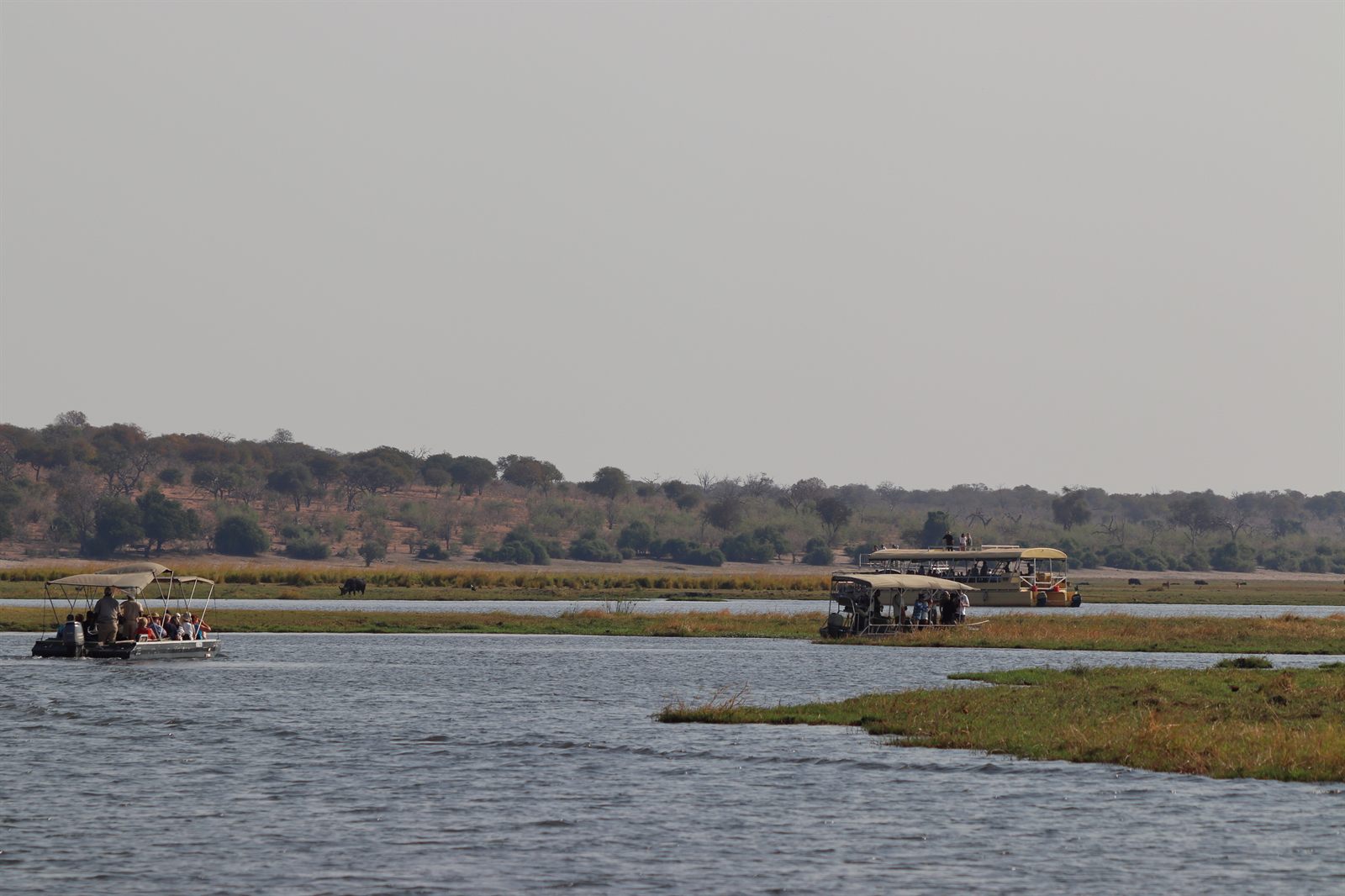
Much of the best of these trips happens in small open boats: skiffs on the Amazon, tenders on the Chobe, sampans in the Mekong Delta. Boarding means a few steps down from the ship with crew holding your arm. Life jackets are provided and worn. Seats are simple, there may be no shade on some boats, and spray happens. Bring a hat that ties on, a dry bag for your camera and a light rain jacket.
Wildlife keeps its own hours
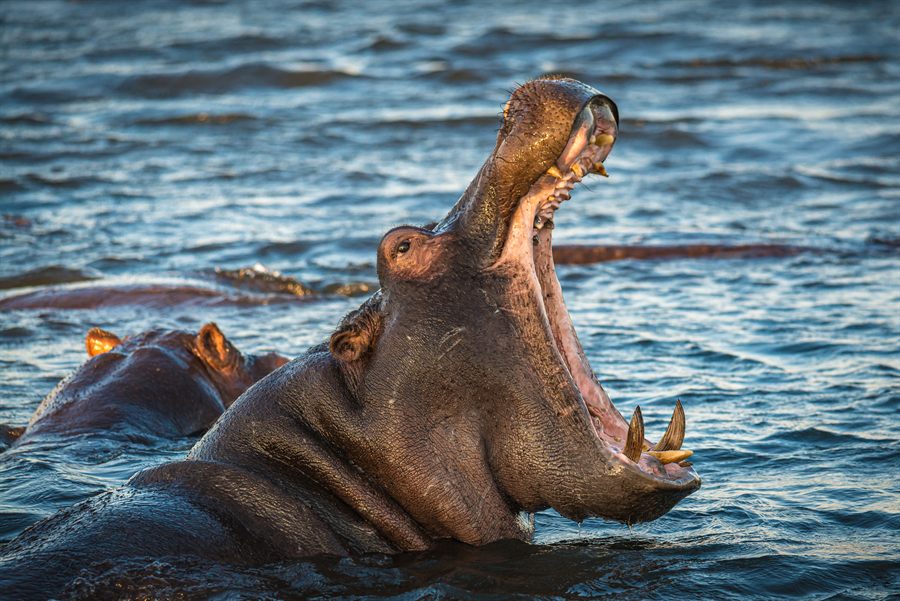
Animals are most active early and late in the day. Expect dawn outings before breakfast and evening rides at sunset; the middle of the day is for meals, lectures and a nap in the air conditioning. Wildlife is never guaranteed, but good guides and patience make a big difference. Binoculars are worth their weight.
Heat, humidity and sun
All five rivers on this site are hot for much of the year, and most are humid. Light, loose, quick-drying clothing in neutral colors, long sleeves for sun and insects, a wide-brimmed hat, sunglasses and high-SPF sunscreen are the uniform. Drink plenty of water; ships provide safe drinking water. For temple and village visits in Asia and India, cover shoulders and knees.
Health and Vaccinations
This is the one area where you must plan ahead. Depending on the river, health authorities may recommend vaccines such as yellow fever (parts of South America and Africa), hepatitis A and typhoid, and malaria prevention medicine. Some countries require proof of yellow fever vaccination if you arrive from certain places. Requirements change, and the right advice depends on your health and itinerary.
Start here: look up each country on your route on the CDC Travelers’ Health website, then see your doctor or a travel clinic ideally four to six weeks or more before departure.
- Bring enough of your regular medication for the whole trip, plus extra, in your carry-on.
- Use insect repellent and long sleeves at dawn and dusk.
- Ships carry basic medical support, but hospitals can be far away. Buy travel insurance that includes medical evacuation.
- Check passport validity and visa rules for every country, including ones you only transit.
Life on a Small Ship
Expedition river ships carry anywhere from under 30 to around 60 guests on most of the rivers here. That means a relaxed, social atmosphere, guides you get to know by name, and no queues. It also means fewer facilities: perhaps one restaurant, a lounge, a sun deck and a small spa or plunge pool. Evenings are low-key: a briefing on tomorrow, dinner, stargazing, an early night.
Internet can be slow or unavailable in remote areas. Laundry may be offered. Dress is casual throughout.
Packing Checklist
- Binoculars and a camera with a zoom lens
- Lightweight long-sleeved shirts and trousers; one warm layer for air-conditioning and boat rides
- Wide-brimmed hat with a strap, sunglasses, sunscreen
- Insect repellent recommended by your doctor or pharmacist
- Sturdy closed shoes or sandals with grip; ships often lend rubber boots on the Amazon
- Small dry bag, reusable water bottle, light rain jacket
- Copies of passport, visas, insurance and vaccination records
Have questions about a specific river? Our FAQ covers the most common ones, and our cruise advisors at Mister Cruise can answer the rest.
Questions Before You Commit?
Our cruise advisors at Mister Cruise will talk you through seasons, ships and preparation, then send free quotes.
Ask for Free Quotes